
History
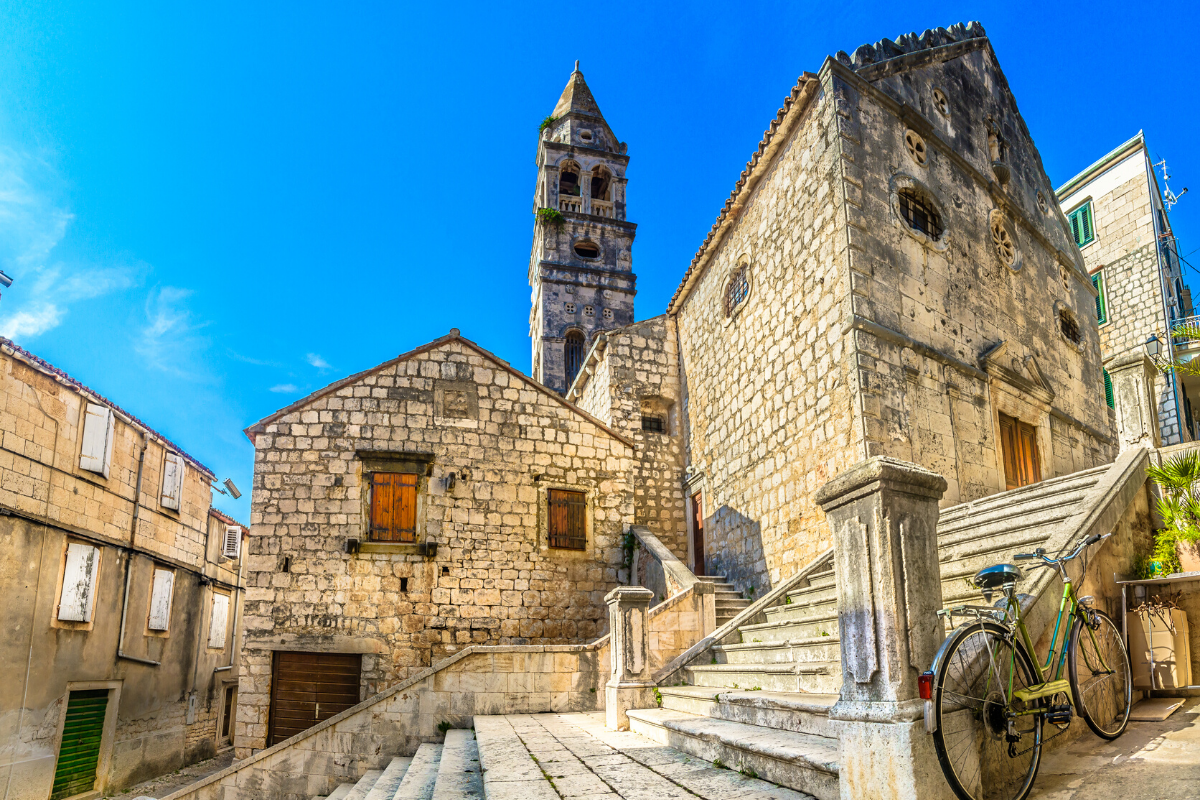
Vis is the farthest inhabited island off the Croatian mainland and neighbors Korčula to the east, and is surrounded by an archipelago of smaller islands, like Biševo (famous for the Blue Cave), and Palagruža. It’s also only 60 miles away from the Italian coast!
Life on Vis dates back to prehistory, thanks to its mild climate, fertile land, and sea abundant in fish. The old pre-Indo-European Mediterranean culture was replaced by the Illyrians, evidenced by numerous ritual or burial mounds on the island. In the 4th century BC, the Syracusan Greeks, under the leadership of Dionysius, founded Issa, which makes Vis town one of the oldest in Croatia and on the eastern Adriatic! The island was ruled by Liburnians in the 1st century before the Republic of Venice arrived in 1797, leaving its mark thanks to the settlements and architecture it developed around the island.
After a short stint by Napoleon, Vis was ruled by the Austrian Empire from 1814. Italians took over at the end of World War 1 before it became part of the Kingdom of Yugoslavia. Vis was the general headquarters of Marshal Josip Broz Tito and the Yugoslav army during World War II. The island remained one of the main bases for the Yugoslav army until 1988, entirely closed off to foreign visitors. As a result, the number of inhabitants also halved. After Croatia gained independence and the Yugoslav army left in the early 1990s, tourism on the island finally began - with the vibrant military history an integral part of what makes Vis so unique.
Vis has remained urbanistically unspoiled, architecturally authentic, and ecologically pristine through it all. Along with the long-standing traditions of fishing and agriculture, tourism is only now gaining momentum on Vis.
Towns
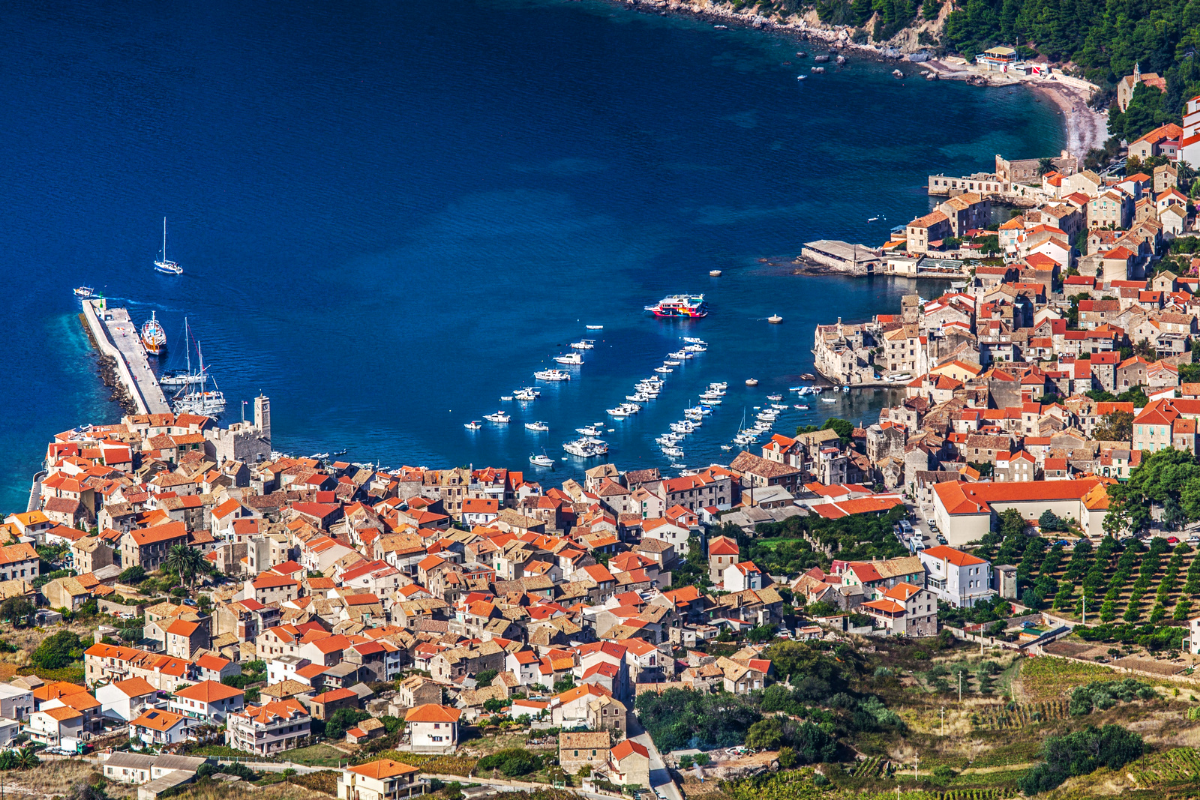
Vis: Located in the north-eastern part of the island is Vis town. Initially settled by the Greeks as ‘Issa’, Vis town today is the ‘capital’ of the island. Situated in a well-protected bay, Vis is increasingly popular among boaters, as baroque buildings, Roman baths, a Franciscan monastery, defensive towers, an archeological museum, and palaces decorate the old town and shore.
Komiža: This famous fishing village has transformed in recent years thanks to tourism and its proximity to the Blue Cave (more on that below). With roots dating back to at least the 12th century, Komiža is recognizable thanks to its hilltop Romanesque church and monastery dedicated to St. Nicholas, the patron saint of sailors and merchants, among other things. The center of the town is marked by a castle erected in 1585 to defend against pirates, while colorful windows decorate old stone houses, vibrant cafes, and local restaurants.
Biševo & Blue Cave: Biševo is a tiny islet located 5 nautical miles from Komiža, and while there isn't much to do here for you or its 15 residents, it is home to one of Dalmatia's most popular tourist attractions - the Blue Cave. Authorized boats can take you into the colorful cave, which is illuminated at certain times of the day when the sun peeks through its crack. The best (and busiest) time to visit is between 11-1 pm, but if you’re not a fan of long queues, the morning hours can be equally as beautiful.
Where to anchor?
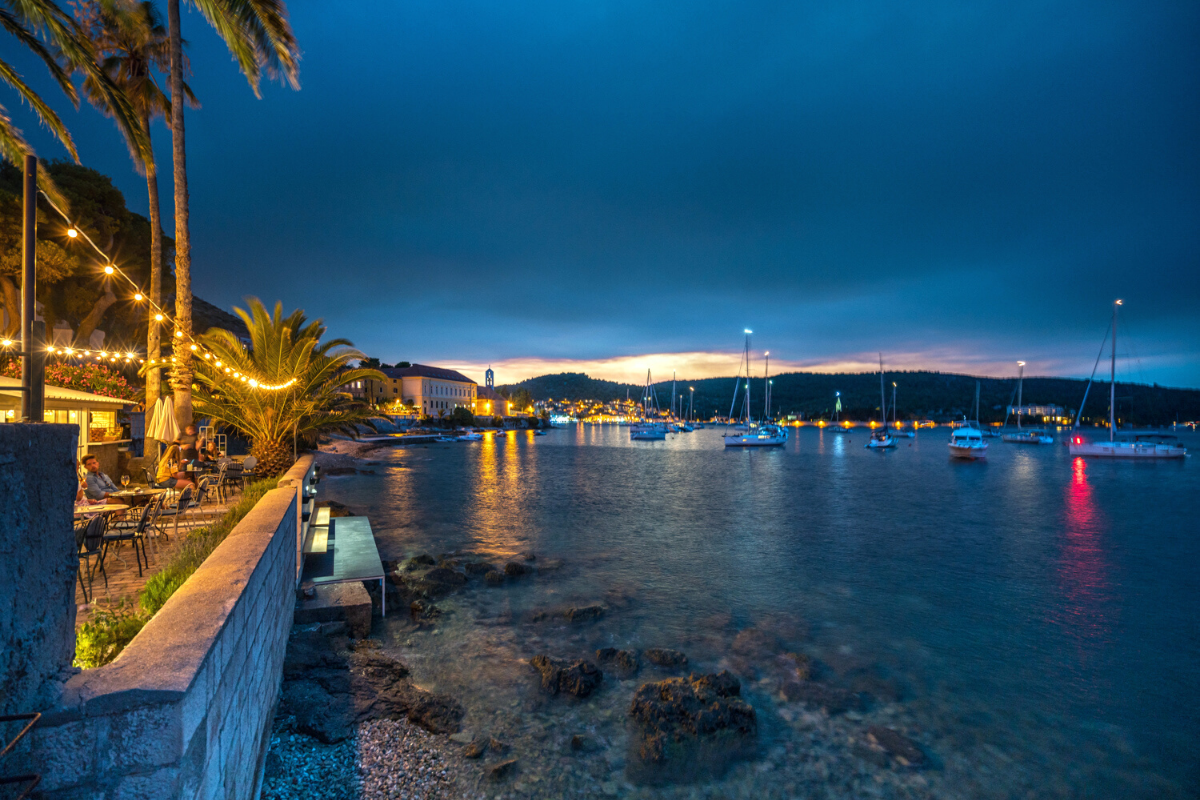
There are two ports on Vis island - in Vis town and Komiža. The Vis port boasts 40 berths alongside the town quay, with around 30 berths in Kut, part of Vis town. The Komiža port has room for about 30 boats up to 25 meters in length, though it does get busy due to local fishing boats. Since these ports are located in the largest towns on the island, you can find souvenir shops, restaurants, cafes, and supermarkets to stock up on whatever you may need.
Where Vis island truly shines is in its anchorages. Stončica on the northeast tip of the island provides good protection in all but bura winds, while Milna is used as shelter from bura. Budikovac (which has a fabulous family-run restaurant), Srebrna, and Slatine are also favorites.
Where to eat & drink?
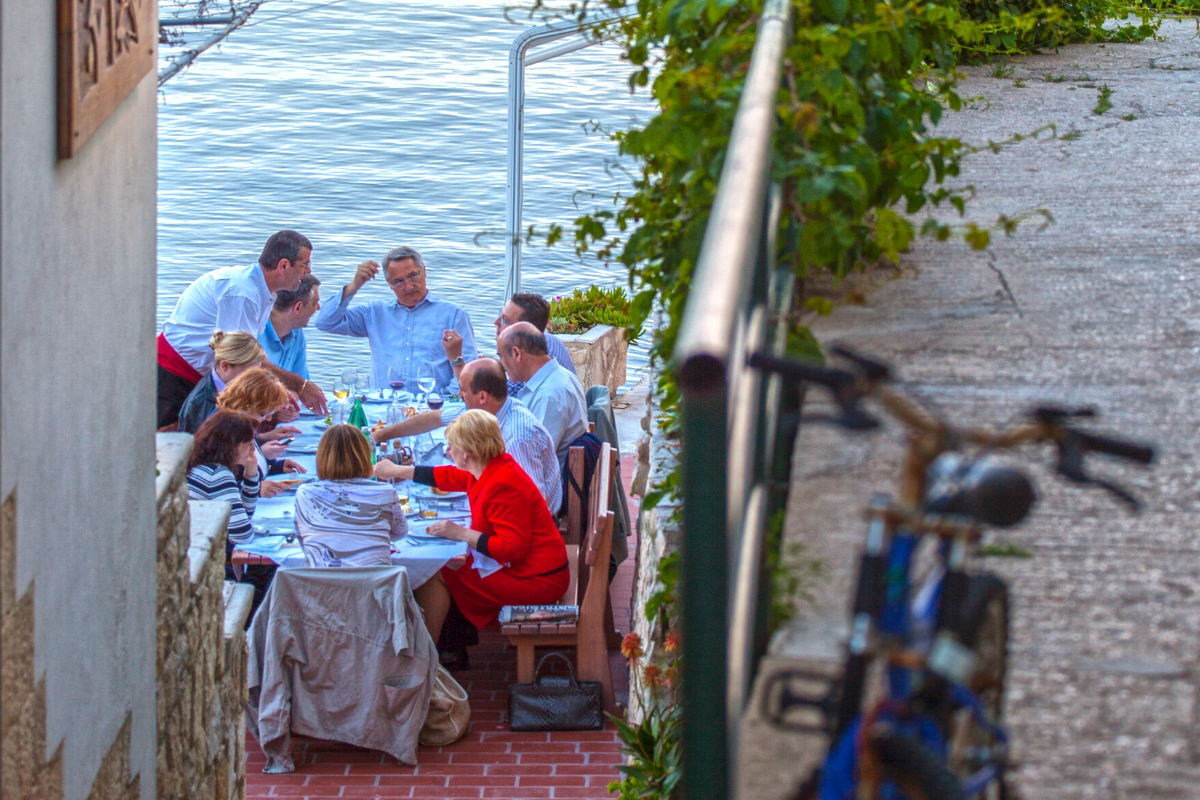
Vis island is a haven for Dalmatian cuisine, where simple ingredients create savory specialties. One delight you must try when visiting Vis is Komiška pogača, or pie from Komiža that uses anchovies and onions atop a tomato pizza-like base. But you get to indulge in so much more.
Pojada: Pojada is a traditional tavern near the Kut port that is a go-to for boaters on Vis. Honoring a modern take on local cuisine, Pojoda offers fresh fish, squid stew, octopus fritters, and pasta to ensure there is something everyone in your group will enjoy.
Roki’s: This authentic restaurant is tucked away from Vis town, surrounded by olive groves and vineyards. Serving their own Plavac and Vugava wines, Roki’s is famous for peka dishes (which must be reserved in advance) and various seafood specialties in a natural yet family-style ambiance.
Villa Kaliopa: Located in a romantic 16th-century Mediterranean garden not far from Kut, Kaliopa is known for an ever-changing menu of Dalmatian dishes, where palm trees and bamboo surround diners for a fairytale dining experience.
Fabrika: And if you’re in Komiža? Fabrika offers more modern cuisine, from healthy breakfast to burgers, grilled cheese sandwiches, wok dishes, and more. You can also visit the concept store to shop for Croatian-made souvenirs!
Budikovac: Boaters love Budikovac as one of the most popular spots in the area to moor for lunch. This family-run operation takes pride in homegrown wine, veggies, chicken, and turkey, with dazzling sea views from the terrace. The owner Andro prefers guests eat without a menu, though you can expect fish and lobster prepared the Dalmatian way.
And if you’re looking for something a bit… stronger?
Located in Vis town, Frutarija offers classic cocktails and mocktails with a stunning view of the waterfront. Lola is another go-to secret garden locale in Vis town where you can also enjoy tapas and modern main courses.
And while it may have risen to fame recently thanks to summer Yacht Week parties, if you’d like a cocktail with a view in a British garrisoned fortress from 200 years ago, you’ll want to head to Fort George.
Where to beach?
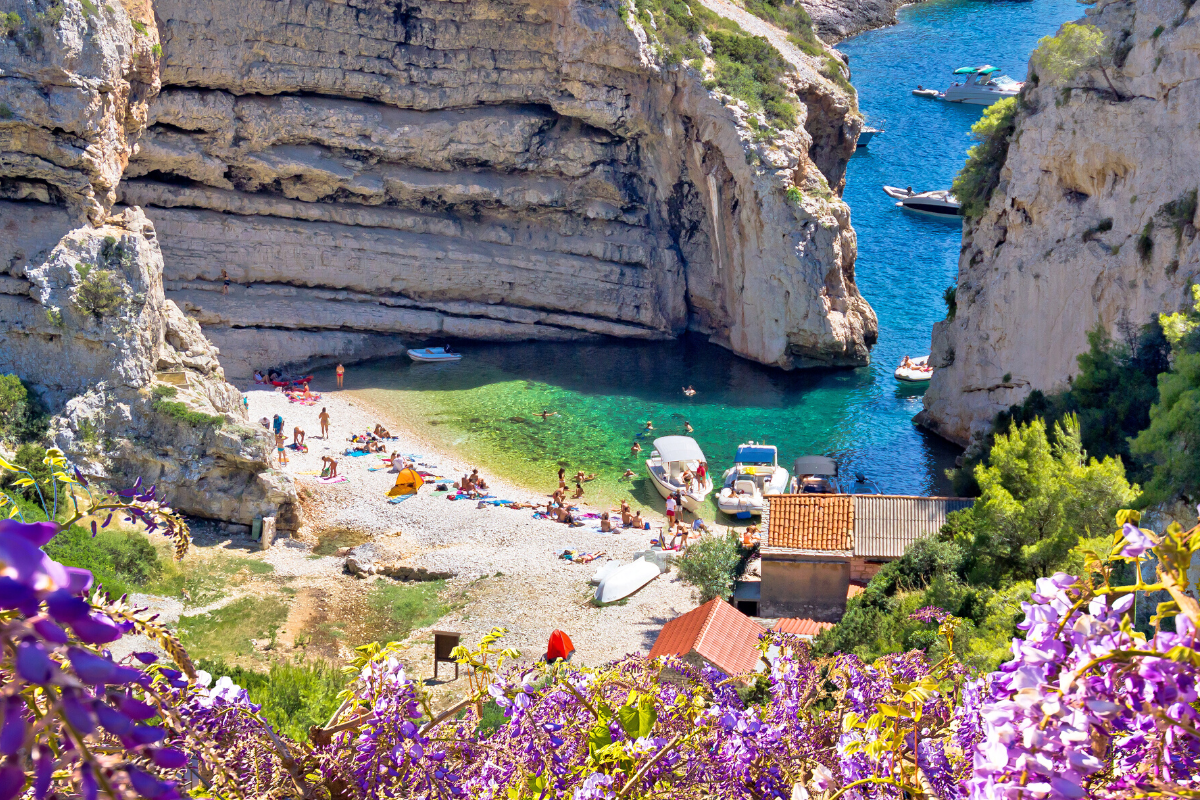
Stiniva: Located west of Mala Travna bay, Stiniva is undoubtedly the most popular beach on the island, likely due to winning the best beach in Europe back in 2016. The actual beach part of Stiniva is closed in by two cliffs, just 4 meters apart at its narrowest point. Many yachts like to anchor and swim to the beach, which also has a small cafe.
Stončica: Just outside of Vis town is the sandy Stončica. Surrounded by thick vegetation offering a good amount of shade, Stončica is also shallow some 30 meters from the shore, meaning it is foolproof for a family outing. You can even find a snack bar and some restaurants in the area.
Smokova: Not far from Stončica is Smokova, another sandy and natural beach which is uber famous for the remains of a World War 11 aircraft wing located just two meters from the shore!
Activities
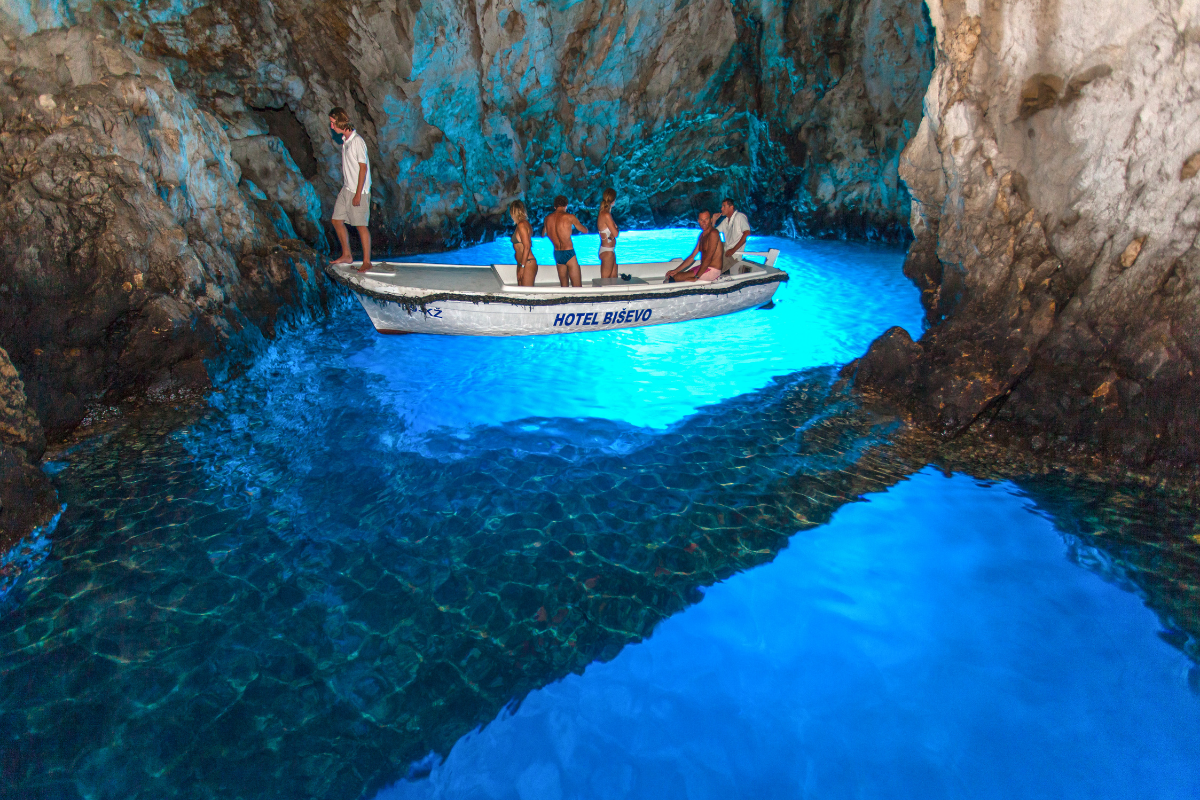
Blue Cave: We already filled you in on the Blue Cave experience, and while it may seem like the most touristy thing to do on the island (it is), it’s worth a visit. The wait to enter the cave will likely be longer than your experience inside the cave (around 10-15 minutes), and no, swimming is not allowed. Still, it is a masterpiece of Mother Nature and one of the top experiences on your Croatian sailing holiday.
Wineries: Winemakers have thrived on Vis since the Greeks roamed the island, with Vugava and Plavac being the trademark grapes of Vis. While there are a handful of local wineries to explore on the island, we suggest the unique Lipanović, with its cellar housed in a Yugoslav military tunnel. Another must-visit is Aerodrom Gostionica, a no-frills wine house located on a former military airstrip. They also serve up Dalmatian snacks and the famous Komiža pie!
Senjanović Vineyard is also just a 30-minute walk from the famous Stončica Bay. The legendary tavern is run by three brothers, offering stellar views and a selection of their local wines.
Take a military tour: We have already mentioned that Vis abounds in military history, all of which you can explore on a guided tour. A WWII submarine tunnel, bunker, atomic shelter, airport, a radar station, and more is uncovered on an off-road tour, making it a great half-day escape.
Check out the views from Hum: Hum is the highest point on Vis (587 meters) which you can visit by car or foot thanks to marked trails. The peak rewards with breathtaking views of the Adriatic and a small 15th-century church!
Rent a Vespa: With less than 40 km of main roads, Vis is easy to navigate by scooter. A great way to explore the island, there are many Vespa and scooter rental options in Vis and Komiža.
destinations
destinations
destinations
destinations
destinations
Your Questions Answered
FAQs
-
Timing is one of the most important factors when planning a yacht charter. Different periods of the year offer very different experiences, even in the same destination. Summer months tend to be busier, with more activity in ports and popular anchorages, while spring and autumn often feel quieter and more relaxed. Weather, sea conditions, and local events can all influence your time on board. If you have flexibility with your dates, we strongly recommend sharing that with us. It allows us to suggest alternative weeks, for you to discover more private harbors and sometimes secure better options within your budget.Click for more information
-
Chartering a yacht gives you freedom, privacy, and the chance to explore coastal destinations at your own pace. You can enjoy hidden bays, local culture, and unique activities that aren’t accessible by traditional travel. With a private crew handling all the details, you can focus on relaxing, swimming, trying water sports, and discovering new towns and beaches every day. Yacht charters are ideal for families, groups of friends, or couples seeking a tailored experience on the water.
-
Most yacht charters offer flexible itineraries. While there’s usually a suggested route, you can adjust it based on weather, local events, or your own preferences. Whether you want to spend extra time at a favorite beach, visit a charming town, or explore a quiet cove, your crew can help adapt the plan to make your trip just right.
-
Otium Yachts provides expert guidance, a selection of carefully maintained vessels, and professional crews who know the Adriatic coast inside out. From planning your itinerary to organizing activities and ensuring smooth sailing, Otium Yachts makes yacht charters easy, enjoyable, and reliable. Guests appreciate the personal attention, detailed local knowledge, and thoughtful service that make every charter feel special.
-
The cost of a yacht charter varies depending on the size of the yacht, the season, the number of guests, and the itinerary. Early summer and peak season tend to be higher, while shoulder months may offer more competitive rates. Longer charters or special requests, such as additional activities or private events, can also affect the price. Booking early and working with an experienced broker can help you find the best options for your budget.Click for more information
-
The charter fee generally covers accommodation for all guests, the crew and their expenses, Wi-Fi, use of onboard recreational equipment. Exact inclusions may vary from yacht to yacht, and when you receive a quote, you will be provided with a detailed breakdown of what is included and what is not.
-
APA stands for Advance Provisioning Allowance. It’s a deposit, usually around 25-30% of the charter fee, that covers variable expenses during the charter. This includes fuel for the yacht and tender, food and drinks, port and marina fees, national park entrances, water sports, and any extra services requested by the guests. Before the charter begins, the APA is paid upfront, and the captain or crew manages these costs throughout the trip. Any unused funds are refunded at the end, while any extra expenses beyond the allowance are billed separately. This system ensures your charter runs smoothly without surprises and gives guests flexibility to enjoy the full experience on board.Click for more information
-
An all-inclusive yacht charter means that, in addition to the yacht and crew, most meals, drinks, and onboard amenities are included in the price. This can cover food, beverages, water toys, Wi-Fi, and some activities, allowing guests to enjoy the trip without worrying about extra costs during the charter. Always check the offer details, as inclusions can vary by yacht and operator.
-
The base charter fee usually does not include items such as port or marina fees, national park entrances, shore excursions, special activities like scuba diving or big game fishing, transfers, or APA (Advance Provisioning Allowance) for fuel, food, and drinks. Guests may also have charges for extra navigation, special equipment, or additional services requested during the trip.
-
To secure your booking with Otium Yachts, the first step is signing the charter agreement and paying the initial deposit. The first instalment, which is 50% of the charter fee, is due at the time of signing. The second instalment, covering the remaining balance along with any selected food and beverage packages, is due 45 days before the charter begins. This process ensures your booking is confirmed and gives our team time to prepare everything for a smooth board experience.
-
When booking a yacht, it’s important to know that there are two common types of charter agreements in the Mediterranean: Western Mediterranean Terms (WMT), also known as MYBA Terms, and Eastern Mediterranean Terms (EMT), also known as Gulet Terms. It can seem a bit confusing at first, but here’s a simple breakdown: the type of contract used depends on the yacht owner, who chooses the terms that best suit their vessel and guests. Both options are standard in the industry and provide clear guidelines for what’s included in the charter fee, what costs are extra, and how the trip is managed.Click for more information
-
Yacht charters are governed by industry-standard agreements, such as the MYBA Charter Agreement, which clearly defines cancellation policies. One of the most important clauses in this contract is Clause 11, which outlines the financial consequences of canceling a charter.Click for more information
-
Planning a luxury yacht charter is an exciting experience, full of anticipation. Many guests book their charters months or even a year in advance, hoping everything will go smoothly when the time arrives. But life can be unpredictable, and unexpected events may force you to cancel or postpone your trip. This is where yacht charter insurance plays a vital role, protecting your investment and ensuring your dream getaway remains secure, no matter what challenges arise.Click for more information
-
VAT varies by country because each country sets its own VAT rates and tax rules. Although EU countries follow a common VAT framework, the actual rates and specific conditions differ from one jurisdiction to another. Outside the EU, VAT or similar taxes may not apply at all, or different tax systems may be in place.
-
Pack light and focus on casual, comfortable clothing. Essentials include swimwear, sunglasses, sunscreen, a hat, and non-slip deck shoes. Evenings are usually relaxed, so a few smart-casual outfits are sufficient. Don’t forget personal toiletries, medications, and travel documents. Soft luggage is recommended, as storage space on board is limited.Click for more information
-
A typical day on a yacht is flexible and tailored to your preferences. Mornings often start with breakfast at anchor, followed by swimming or water activities. During the day, the yacht may cruise to a new destination, with lunch on board or ashore. Afternoons are perfect for relaxation, sightseeing, or exploring coastal towns, while evenings are usually spent dining on board or at a local restaurant.Click for more information
-
Yes, itineraries are flexible and can usually be adjusted during the charter, weather and operational conditions permitting. Your captain will advise on the best options to ensure safety and comfort while accommodating your preferences as much as possible.
-
Absolutely. Yacht charters are ideal for first-time guests, as the professional crew takes care of navigation, safety, and daily operations. The experience is fully guided and can be as relaxed or as active as you wish, making it suitable for all levels of experience.
-
Destinations with calm seas, short cruising distances, and well-developed marina infrastructure are ideal for first-time charterers. Popular choices include the Mediterranean, such as Croatia, Greece, Italy and the French Riviera, as well as the Caribbean. These regions offer a wide variety of anchorages, beautiful scenery, and reliable services, making the experience smooth and enjoyable.Click for more information
-
For a one-week charter, routes with short sailing times between destinations work best. This allows guests to enjoy a relaxed pace while still visiting several locations. Circular routes or island-hopping itineraries are especially popular, as they minimize long passages and maximize time for swimming, sightseeing, and dining ashore. Popular itineraries include Split, Hvar, Vis, Kor?ula, and Bra?, or Dubrovnik and the nearby Elaphiti Islands. These routes offer a great balance of exploration, relaxation, and time to enjoy each destination.
-
A round-trip charter starts and ends at the same port, offering a simple and flexible itinerary. A one-way charter begins in one location and ends in another, allowing you to cover more distance and explore a wider area. One-way charters often involve additional fees for yacht repositioning but provide greater variety in destinations.
-
Living onboard a crewed yacht is relaxed and comfortable, much like staying in a floating boutique hotel. The crew takes care of everything, from navigation and safety to meals and daily details, so you can fully unwind. Your days are shaped around your preferences, whether that means exploring new destinations, enjoying the sea, or simply relaxing on deck.
-
A yacht charter offers a very high level of privacy. The yacht is exclusively yours, and the crew is trained to be discreet and respectful at all times. While they are always available when needed, they give guests plenty of space to enjoy their time onboard without interruption.
-
Yes, dietary requirements can usually be accommodated. Before the charter, guests are asked to share any preferences, allergies, or special diets. The chef will tailor the menu accordingly, whether it’s vegetarian, vegan, gluten-free, or based on specific preferences. A Guest’s preference sheet is a simple tool we use to ensure your yacht charter is tailored to your group’s needs and desires.Click for more information
-
Most crewed yachts come equipped with a selection of water toys and amenities, such as snorkeling gear, paddleboards, seabobs, or jet skis, depending on the yacht. Onboard amenities often include spacious lounging areas, air-conditioned cabins, Wi-Fi, and entertainment systems. The exact selection varies by yacht and will be confirmed before your charter.Click for more information
-
Yes, crewed yachts come with a professional and experienced crew. Depending on the size of the yacht, this may include a captain, chef, and additional crew members. They are there to ensure your safety, comfort, and overall enjoyment throughout the charter.Click for more information
-
The captain is responsible for navigating the yacht safely, planning the route, and adjusting the itinerary when needed due to weather or sea conditions. They also act as a local expert, offering recommendations for anchorages, beaches, and restaurants, while making sure your charter runs smoothly.Click for more information
-
Crew gratuity is customary but always at the guest’s discretion. If you feel the crew has delivered excellent service, tipping is a nice way to show appreciation. The usual guideline is around 10-15% of the charter fee, though any amount is entirely optional.
-
Embarkation typically takes place in the afternoon on the first day of the charter, while disembarkation is usually in the morning on the final day. Exact times can vary depending on the yacht and marina, and will be confirmed before your departure.
-
Airport transfers are not always included by default, but they can usually be arranged upon request. Your charter broker or crew can help organize smooth transfers to and from the yacht for an additional fee.
-
All our yachts come with Wi-Fi onboard, so you can stay connected while enjoying your charter. Coverage is generally good near the coast, though it may be limited in more remote areas or while cruising, depending on local signal strength.
-
In case of bad weather, the captain will always prioritize safety. The itinerary may be adjusted, or the yacht may remain in a sheltered bay or marina until conditions improve. These changes are made to ensure a comfortable and enjoyable experience whenever possible.