
Brač is most well-known for its famous Zlatni Rat beach, the poster-child for Croatian tourism; however, this is just the tip of the iceberg or in this case – beach. Brač island has thousands of years of history. Covered in cypress trees, olive groves and vineyards, it is a lush green paradise begging to be explored.
Being that Brač is the ‘tallest’ island, a hike to Vidova Gora will leave you breathless in more ways than one; on a clear day, one can even see Italy. Unique culture and local legends leave plenty to be discovered, like a Dragon’s cave, hermitage monastery or a village dating back to the 3rd century. Every island has its own traditions and gastronomy and Brač is no exception, attend the unique ‘night regatta’ in Postira, or sample the famed lamb or ‘Vitalac’. Hungry for adventure? Hiking, biking, wind or kite surfing… there is something for everyone. From magical bays to stunning nature, rich history and tradition, to the weird and wonderful, Brač will delight and surprise all travellers who take the time to get to know this island.
History
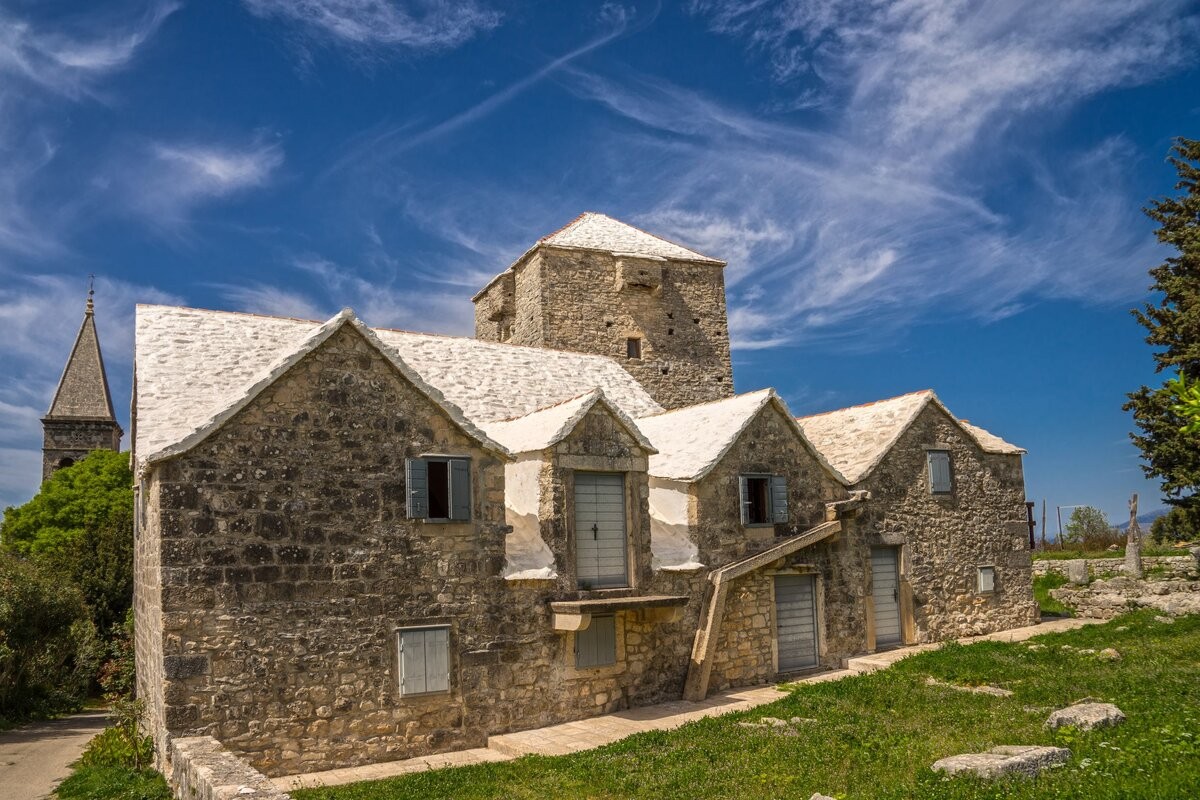
Evidence found on the island suggests that the history of Brač stretches as far back as the Bronze and Iron ages. The history timeline of Brač reads similar to much of Dalmatia – Romans, Croatian, Venetian, Austro-Hungarian, a brief period of French rule (1805, 1807 – 1814) and Russian (end of 1806), Yugoslavia, then finally independent in 1991 following the Croatian War of Independence. At various points during WWII, Brač was also occupied by Italian and German forces, though locals are proud to tell the story of how local rebels fought an effective guerrilla war against the occupiers.
Brač had a thriving population until the 20th Century; unfortunately, the first big emigration came after Phylloxera destroyed much of Brač’s wine industry, and following WWII, more than 8,000 people emigrated from Brač. Today, Brač has a population of around 14,000 people. Like most of Dalmatia, the economy of Brač is based mostly on tourism, fishing and agriculture (wine and olives).
Where to Visit
Milna
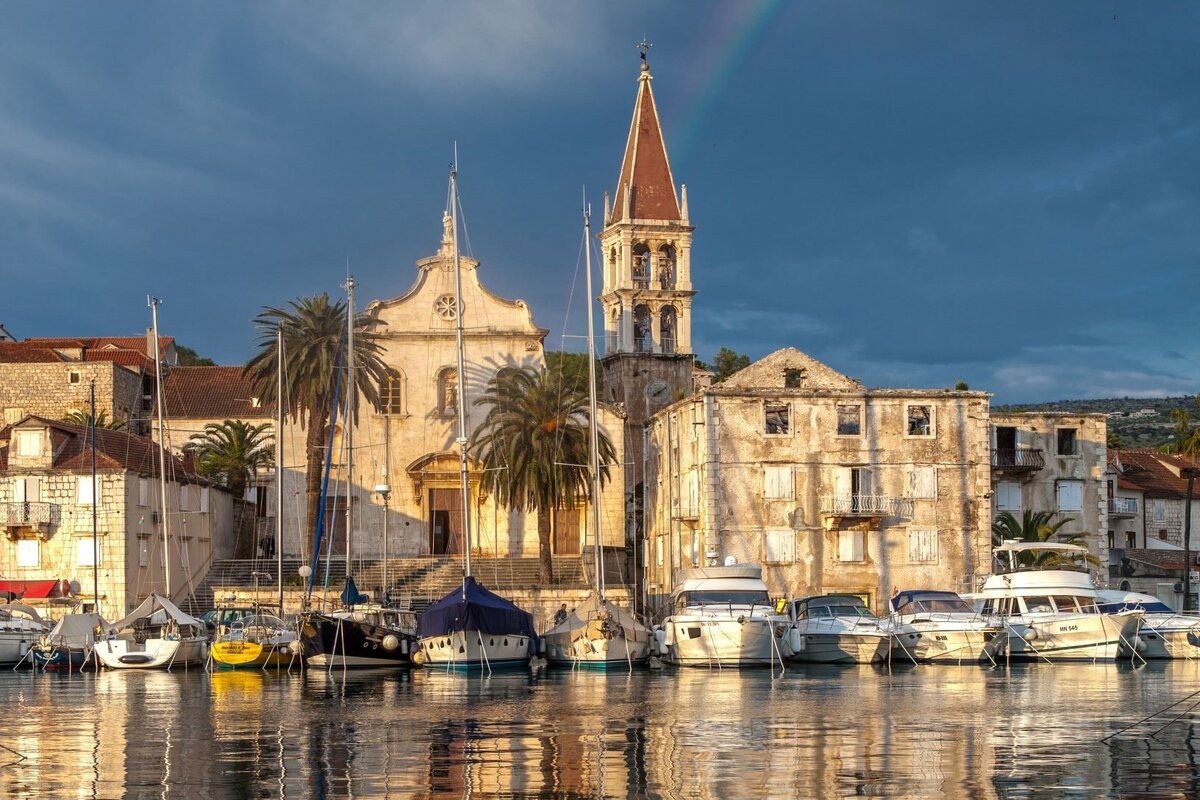
During the off-season, Milna is a sleepy village but in summer it transforms into a busy harbour full of life. In the 18th and 19th Centuries, navigation was the backbone of the economy. There were two shipyards in Milna and most of the inhabitants were shipowners, captains, sailors, shipbuilders and fishermen. People from Milna are proud of their heritage – the industrious people who made Milna what it is. Residential buildings tell the stories of an era of noble families, and the impressive 18th Century Baroque Church of our Lady of the Annunciation, speaks of the importance of Milna. With its proximity to Split, secure anchorages outside the bay, plus two marinas and a town quay, Milna is a popular destination for tourists and sailors today. Milna has a family vibe and its own charm. Enjoy the local atmosphere, do an olive oil tasting (with century-old family history) or dine at a local tavern.
Pučišća
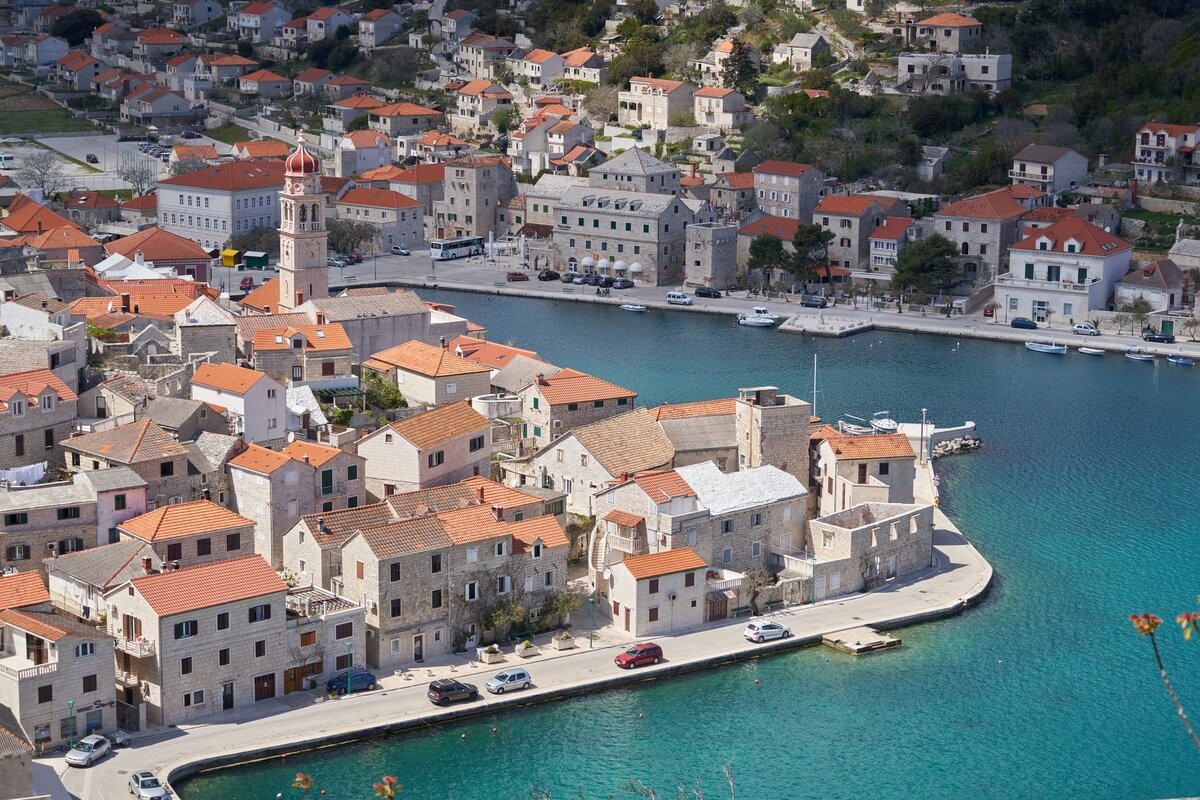
A darling town on the NE coast of island Brač, famous for its stonemasonry school and nearby stone quarry. Did you know that stone from Brač is rumoured to be in the white house? And though this is unconfirmed, Brač stone IS in Diocletian’s Palace and numerous buildings around Europe. Unsurprisingly, the town also boasts many fine stone houses, a picturesque town if ever there was one. Strolling around Pučišća is like taking a step back in time. Guests love the slower pace and authentic vibe. Visit the century-old stonemason school which is filled with impressive works by the students. There are few berths here to spend the night, many yachts dock alongside to allow their guests to explore for the afternoon before moving on to another anchorage.
Bol
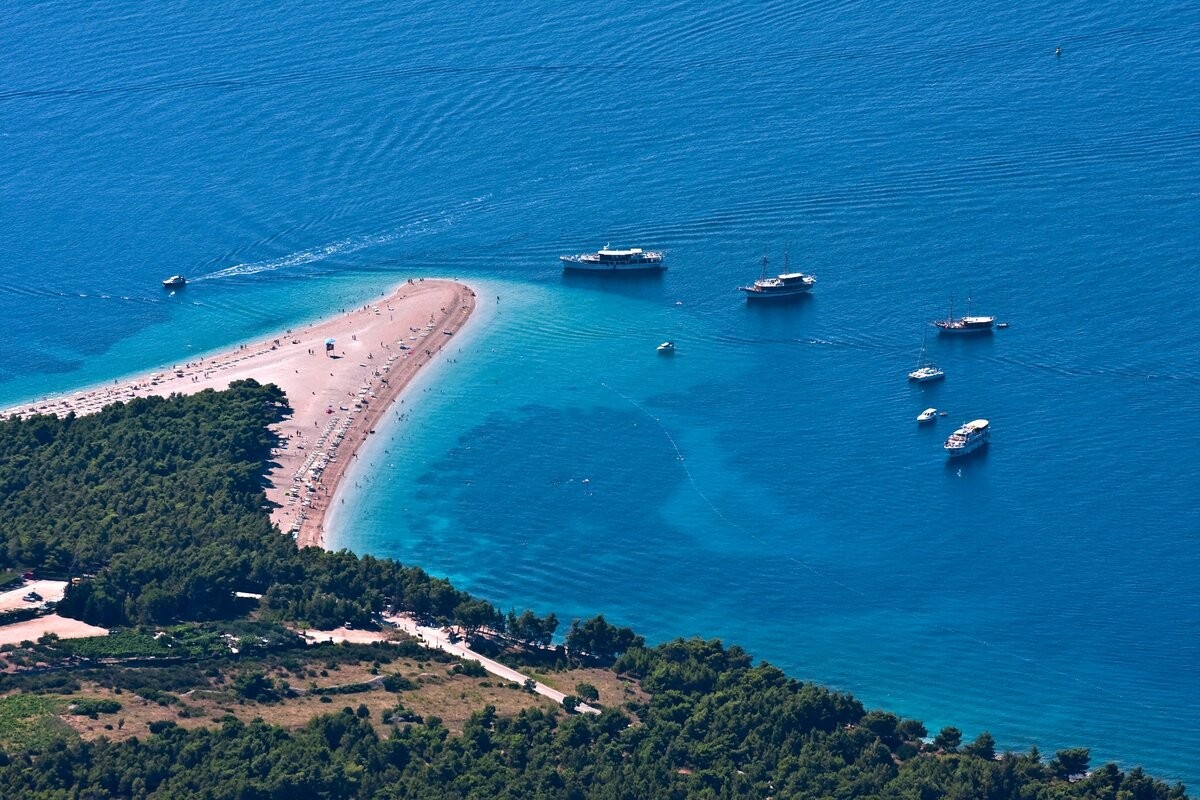
The town of Bol is the home of the famous Zlatni Rat beach, which has won numerous ‘best beach’ awards worldwide. Zlatni Rat beach is a natural phenomenon, its recognisable V shape stretches 500 m into the sea, and the shape shifts depending on the currents. Surrounded by pine forests, with the backdrop of lush green Brač hills, and framed by brilliant turquoise and blue waters, it is easy to see how this beach wins hearts. For adrenaline junkies, the Maestral wind that flows through this channel makes Bol a kite and wind surfer’s heaven.
The harbour here is very busy, there are few berths and they are usually full by early afternoon. Strong winds through the channel also mean these berths are exposed and because they are in town, it is worth noting that it is noisy in the evening. However, if you do dock, it is perfect to explore Bol town. Meander the paved promenade all the way to Zlatni Rat beach, along the way, you will find galleries, museums, cafes, local boutiques and even a winery. If you don’t stay for the evening, many yachts anchor near Zlatni Rat beach, so guests can enjoy the view or an afternoon dip.
Supetar
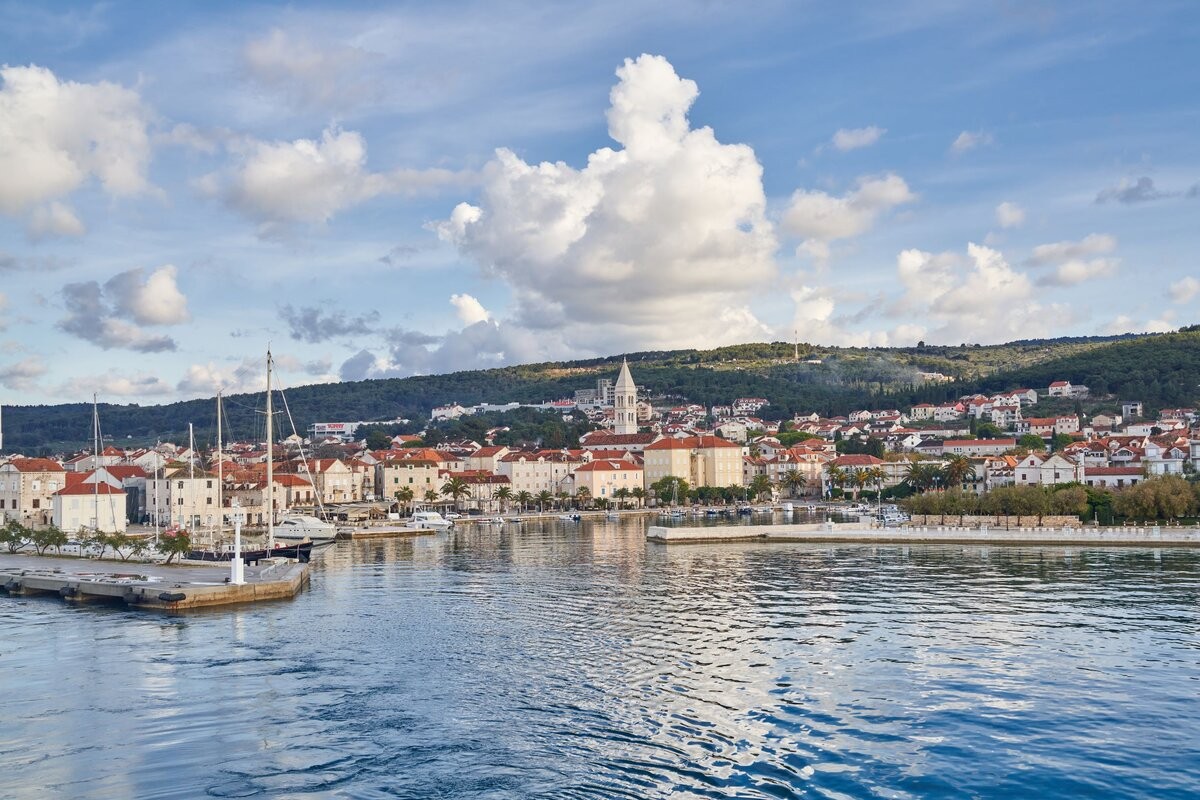
Supetar is the main town on island Brač, it is the transport and administration centre, rich in cultural and historical sights. One of the most important sites of the town is the elegant 18th Century triple-naved baroque Church of Annunciation with its 35 m bell tower that dominates the town centre. The harbour promenade is lined with shops and friendly konobas, always busy thanks to the regular ferry. However, if you wander from the main promenade, you will find small alleys and cobblestoned streets with cute cafes and konobas – a respite from the heat and crowds.
Škrip
Travel inland to visit this historical gem with archaeological sites spanning 3,000 years of history. Walking through the town you will see remains of the old defence wall, a castle, sarcophagi, a 3rd Century mausoleum, a Roman temple and much more. This is also the location of the Brač Museum and the Olive Oil Museum – where guests can learn about the traditional processes of olive oil production, taste, and buy products. A trip to an olive oil museum may not have been on your must-do list, but trust us when we say it is a brilliant experience, the family are wonderful hosts, passionate and knowledgeable, and this quickly becomes a highlight for our guests.
Anchorages
Croatia really is a sailor’s paradise, with hundreds of islands, stunning bays and its indented coastline, it means there are numerous possibilities when it comes to anchoring. Like Bobovišća, a small peaceful harbour on the western coast of Brač island which offers mooring buoys. Lučice bay is only 1 mile south of Milna, with several mooring buoys and a restaurant set on the water’s edge. Blaca is another small bay perfect for anchoring so guests can hike up to visit the Blaca Monastery. Smrka bay is a tiny bay (only a few yachts can fit inside) near an old Military tunnel.
Where to Eat
Unlike some destinations like Hvar, Brač doesn’t have as many ‘fancy’ restaurants or trendy bars instead, it has quality local konobas (taverns) and unique experiences in stunning settings.
Restaurant Taverna Riva, Bol is situated in the middle of the main promenade. This restaurant has a gorgeous setting and menu to match. Here you will find dishes like fish carpaccio, tuna tartar, fresh seafood, traditional peka and more. This restaurant is known for its excellent service and presentation.
Restaurant Mali Raj, Bol offers a different setting, away from the main promenade and summer heat, tucked into the pine forest near Zlatni Rat Beach. This restaurant is built entirely from Brač stone, and tables are set in a gorgeous green garden.
Winery Senjković in Dračevica this inland restaurant and winery is most definitely off-the-beaten-path but a superb experience for foodies – and always booked weeks in advance. This is a tiny restaurant and winery that is run by the passionate husband-and-wife duo, Sasa and Magdalena. The menu is a 5 – 7 course tasting menu matched with their wines, enhanced by their storytelling. A truly unique experience.
Konoba Kopačina in Donji Humac – one of the oldest settlements on the island, is another inland restaurant which means braving some old and windy roads but trust us when we say it is worth it. Guests are rewarded with stunning vistas over the hills from the terrace. The speciality here is Brač lamb, done in a number of ways, including the famous Brački Vitalac. Finish with the local dessert Hrapaćuša – a divine cake made with honey, lemon and walnuts!
Konoba Vinotoka in Supetar is another local gem, tucked away from the busy promenade down an unassuming alley, this Konoba sits atop large steps surrounded by greenery. This is a family-run restaurant, famous for its seafood – particularly because the family has their own fishing boats. The restaurant also serves its own wine and olive oil, the service is friendly and professional.
Where to Drink
Drink – anywhere with a view! You will find local bars and cafes along all main promenades, in squares and down most alleyways. Sitting with a cold beer or crisp glass of wine and watching the world go by is a pastime here. Doing wine tours usually requires planning a day or half-day tour but if you are in Bol, stop at Stina winery which is on the main promenade. Here, you can enjoy a wine tasting and cellar tour of exceptional award-winning wines.
Where to Beach
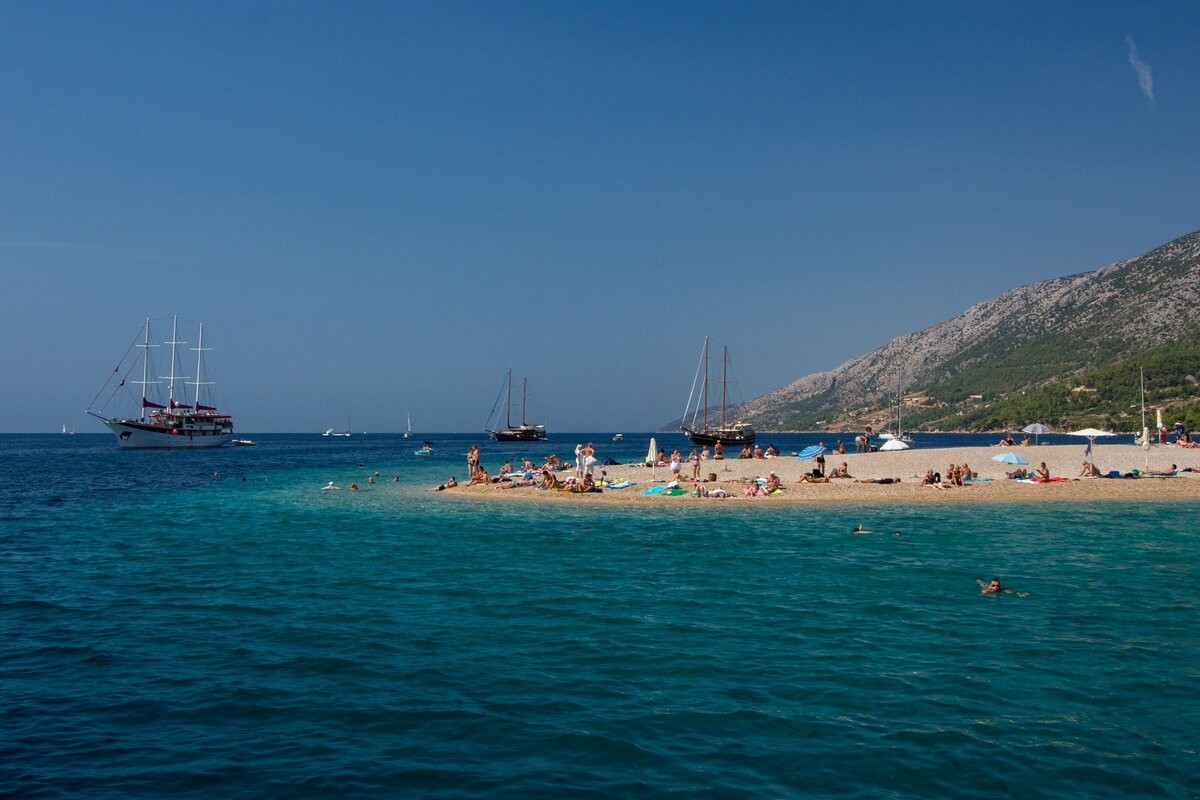
As the third-largest island in Croatia, Brač offers a number of beaches, from fine sand to pebbles and large rocks or hidden bays. For the most part, forget big extravagant beaches, and think instead – small pockets of paradise. Sailing around Brač, your captain will know the best spots but here are a few –
Zlatni Rat – obviously. Murvica beach, a few kilometres west of Zlatni Rat, has the same fine pebbles and stunning views of Hvar Island but offers more privacy. Lovrečina beach near Postira is a sandy beach that attracts many sunseekers and families. Punta beaches Pučišća are a series of small secluded beaches around the eastern side of the bay. Povlja bay provides a number of small beaches set in coves. Thanks to Brač’s rich vegetation and dense pine forests that hug the shoreline, most beaches are protected and offer shade and tranquillity.
What to Do, Activities and Attractions
Visit: The Stonemasonry school in Pučišća, Zlatni Rat beach in Bol, the Olive Oil Museum in Skrip, the Jaksic Gallery in Donji Humac or the Ivan Rendic Gallery in Supetar.
Attend: The Little Night Regatta in Postira. Every summer a special night breeze ‘Gažul’ blows from Vidova Gora to the tiny port of Postira, making perfect conditions for night-time sailing. Picture more than a dozen boats sailing in a tiny port to the soundtrack of Mozart’s String Serenade no.13 – A spectacle to behold! Summer Festivals, the Sumpetar Summer Festival is the largest cultural manifestation on the island with numerous exhibitions and concerts happening all summer. At the Sutivan Jazz Festival the port becomes an extraordinary stage where you can enjoy incredible musical performances with the best backdrop. Try to catch one of these events during your sailing itinerary for a real taste of the Brač spirit.
Hike: To the top of Brač – Vidova Gora, the highest point for incredible views. Hike to the 16th Century Blaca Monastery and museum which houses a unique collection of artefacts and shows the advanced community that lived and prospered here. Hike to the Dragon’s Cave above Murvica where you will be greeted by an unusual set of reliefs and carvings – including, (of course) a dragon, believed to have been sculpted in the 15th Century by a friar.
Get Active: try windsurfing, kite surfing or watersports in Bol. What about sunset kayaking or scuba diving? The mountainous terrain of Brač also makes it perfect for adventure mountain biking.
destinations
destinations
destinations
destinations
destinations
Your Questions Answered
FAQs
-
Timing is one of the most important factors when planning a yacht charter. Different periods of the year offer very different experiences, even in the same destination. Summer months tend to be busier, with more activity in ports and popular anchorages, while spring and autumn often feel quieter and more relaxed. Weather, sea conditions, and local events can all influence your time on board. If you have flexibility with your dates, we strongly recommend sharing that with us. It allows us to suggest alternative weeks, for you to discover more private harbors and sometimes secure better options within your budget.Click for more information
-
Chartering a yacht gives you freedom, privacy, and the chance to explore coastal destinations at your own pace. You can enjoy hidden bays, local culture, and unique activities that aren’t accessible by traditional travel. With a private crew handling all the details, you can focus on relaxing, swimming, trying water sports, and discovering new towns and beaches every day. Yacht charters are ideal for families, groups of friends, or couples seeking a tailored experience on the water.
-
Most yacht charters offer flexible itineraries. While there’s usually a suggested route, you can adjust it based on weather, local events, or your own preferences. Whether you want to spend extra time at a favorite beach, visit a charming town, or explore a quiet cove, your crew can help adapt the plan to make your trip just right.
-
Otium Yachts provides expert guidance, a selection of carefully maintained vessels, and professional crews who know the Adriatic coast inside out. From planning your itinerary to organizing activities and ensuring smooth sailing, Otium Yachts makes yacht charters easy, enjoyable, and reliable. Guests appreciate the personal attention, detailed local knowledge, and thoughtful service that make every charter feel special.
-
The cost of a yacht charter varies depending on the size of the yacht, the season, the number of guests, and the itinerary. Early summer and peak season tend to be higher, while shoulder months may offer more competitive rates. Longer charters or special requests, such as additional activities or private events, can also affect the price. Booking early and working with an experienced broker can help you find the best options for your budget.Click for more information
-
The charter fee generally covers accommodation for all guests, the crew and their expenses, Wi-Fi, use of onboard recreational equipment. Exact inclusions may vary from yacht to yacht, and when you receive a quote, you will be provided with a detailed breakdown of what is included and what is not.
-
APA stands for Advance Provisioning Allowance. It’s a deposit, usually around 25-30% of the charter fee, that covers variable expenses during the charter. This includes fuel for the yacht and tender, food and drinks, port and marina fees, national park entrances, water sports, and any extra services requested by the guests. Before the charter begins, the APA is paid upfront, and the captain or crew manages these costs throughout the trip. Any unused funds are refunded at the end, while any extra expenses beyond the allowance are billed separately. This system ensures your charter runs smoothly without surprises and gives guests flexibility to enjoy the full experience on board.Click for more information
-
An all-inclusive yacht charter means that, in addition to the yacht and crew, most meals, drinks, and onboard amenities are included in the price. This can cover food, beverages, water toys, Wi-Fi, and some activities, allowing guests to enjoy the trip without worrying about extra costs during the charter. Always check the offer details, as inclusions can vary by yacht and operator.
-
The base charter fee usually does not include items such as port or marina fees, national park entrances, shore excursions, special activities like scuba diving or big game fishing, transfers, or APA (Advance Provisioning Allowance) for fuel, food, and drinks. Guests may also have charges for extra navigation, special equipment, or additional services requested during the trip.
-
To secure your booking with Otium Yachts, the first step is signing the charter agreement and paying the initial deposit. The first instalment, which is 50% of the charter fee, is due at the time of signing. The second instalment, covering the remaining balance along with any selected food and beverage packages, is due 45 days before the charter begins. This process ensures your booking is confirmed and gives our team time to prepare everything for a smooth board experience.
-
When booking a yacht, it’s important to know that there are two common types of charter agreements in the Mediterranean: Western Mediterranean Terms (WMT), also known as MYBA Terms, and Eastern Mediterranean Terms (EMT), also known as Gulet Terms. It can seem a bit confusing at first, but here’s a simple breakdown: the type of contract used depends on the yacht owner, who chooses the terms that best suit their vessel and guests. Both options are standard in the industry and provide clear guidelines for what’s included in the charter fee, what costs are extra, and how the trip is managed.Click for more information
-
Yacht charters are governed by industry-standard agreements, such as the MYBA Charter Agreement, which clearly defines cancellation policies. One of the most important clauses in this contract is Clause 11, which outlines the financial consequences of canceling a charter.Click for more information
-
Planning a luxury yacht charter is an exciting experience, full of anticipation. Many guests book their charters months or even a year in advance, hoping everything will go smoothly when the time arrives. But life can be unpredictable, and unexpected events may force you to cancel or postpone your trip. This is where yacht charter insurance plays a vital role, protecting your investment and ensuring your dream getaway remains secure, no matter what challenges arise.Click for more information
-
VAT varies by country because each country sets its own VAT rates and tax rules. Although EU countries follow a common VAT framework, the actual rates and specific conditions differ from one jurisdiction to another. Outside the EU, VAT or similar taxes may not apply at all, or different tax systems may be in place.
-
Pack light and focus on casual, comfortable clothing. Essentials include swimwear, sunglasses, sunscreen, a hat, and non-slip deck shoes. Evenings are usually relaxed, so a few smart-casual outfits are sufficient. Don’t forget personal toiletries, medications, and travel documents. Soft luggage is recommended, as storage space on board is limited.Click for more information
-
A typical day on a yacht is flexible and tailored to your preferences. Mornings often start with breakfast at anchor, followed by swimming or water activities. During the day, the yacht may cruise to a new destination, with lunch on board or ashore. Afternoons are perfect for relaxation, sightseeing, or exploring coastal towns, while evenings are usually spent dining on board or at a local restaurant.Click for more information
-
Yes, itineraries are flexible and can usually be adjusted during the charter, weather and operational conditions permitting. Your captain will advise on the best options to ensure safety and comfort while accommodating your preferences as much as possible.
-
Absolutely. Yacht charters are ideal for first-time guests, as the professional crew takes care of navigation, safety, and daily operations. The experience is fully guided and can be as relaxed or as active as you wish, making it suitable for all levels of experience.
-
Destinations with calm seas, short cruising distances, and well-developed marina infrastructure are ideal for first-time charterers. Popular choices include the Mediterranean, such as Croatia, Greece, Italy and the French Riviera, as well as the Caribbean. These regions offer a wide variety of anchorages, beautiful scenery, and reliable services, making the experience smooth and enjoyable.Click for more information
-
For a one-week charter, routes with short sailing times between destinations work best. This allows guests to enjoy a relaxed pace while still visiting several locations. Circular routes or island-hopping itineraries are especially popular, as they minimize long passages and maximize time for swimming, sightseeing, and dining ashore. Popular itineraries include Split, Hvar, Vis, Kor?ula, and Bra?, or Dubrovnik and the nearby Elaphiti Islands. These routes offer a great balance of exploration, relaxation, and time to enjoy each destination.
-
A round-trip charter starts and ends at the same port, offering a simple and flexible itinerary. A one-way charter begins in one location and ends in another, allowing you to cover more distance and explore a wider area. One-way charters often involve additional fees for yacht repositioning but provide greater variety in destinations.
-
Living onboard a crewed yacht is relaxed and comfortable, much like staying in a floating boutique hotel. The crew takes care of everything, from navigation and safety to meals and daily details, so you can fully unwind. Your days are shaped around your preferences, whether that means exploring new destinations, enjoying the sea, or simply relaxing on deck.
-
A yacht charter offers a very high level of privacy. The yacht is exclusively yours, and the crew is trained to be discreet and respectful at all times. While they are always available when needed, they give guests plenty of space to enjoy their time onboard without interruption.
-
Yes, dietary requirements can usually be accommodated. Before the charter, guests are asked to share any preferences, allergies, or special diets. The chef will tailor the menu accordingly, whether it’s vegetarian, vegan, gluten-free, or based on specific preferences. A Guest’s preference sheet is a simple tool we use to ensure your yacht charter is tailored to your group’s needs and desires.Click for more information
-
Most crewed yachts come equipped with a selection of water toys and amenities, such as snorkeling gear, paddleboards, seabobs, or jet skis, depending on the yacht. Onboard amenities often include spacious lounging areas, air-conditioned cabins, Wi-Fi, and entertainment systems. The exact selection varies by yacht and will be confirmed before your charter.Click for more information
-
Yes, crewed yachts come with a professional and experienced crew. Depending on the size of the yacht, this may include a captain, chef, and additional crew members. They are there to ensure your safety, comfort, and overall enjoyment throughout the charter.Click for more information
-
The captain is responsible for navigating the yacht safely, planning the route, and adjusting the itinerary when needed due to weather or sea conditions. They also act as a local expert, offering recommendations for anchorages, beaches, and restaurants, while making sure your charter runs smoothly.Click for more information
-
Crew gratuity is customary but always at the guest’s discretion. If you feel the crew has delivered excellent service, tipping is a nice way to show appreciation. The usual guideline is around 10-15% of the charter fee, though any amount is entirely optional.
-
Embarkation typically takes place in the afternoon on the first day of the charter, while disembarkation is usually in the morning on the final day. Exact times can vary depending on the yacht and marina, and will be confirmed before your departure.
-
Airport transfers are not always included by default, but they can usually be arranged upon request. Your charter broker or crew can help organize smooth transfers to and from the yacht for an additional fee.
-
All our yachts come with Wi-Fi onboard, so you can stay connected while enjoying your charter. Coverage is generally good near the coast, though it may be limited in more remote areas or while cruising, depending on local signal strength.
-
In case of bad weather, the captain will always prioritize safety. The itinerary may be adjusted, or the yacht may remain in a sheltered bay or marina until conditions improve. These changes are made to ensure a comfortable and enjoyable experience whenever possible.