
Whether you’re a last-minute packer or a pepped-up planner, packing for a trip can often present a series of trials and tribulations. Factoring in the weather, length of the journey, and how many outfits you’ll need per day based on the activities you may or may not partake in could see your suitcase bursting at the seams or you wildly unprepared for weather woes and inappropriate day-to-night clothes.
But without making packing for a trip seem like the most challenging task on the planet, we’d like to argue that there is one type of trip where sitting with your suitcase doesn’t have to be so damning. Yes, we are talking about packing for a sailing trip.
You may be conjuring up images of mesmerizing Mediterranean sunsets where flowy dresses float in the summer breeze, and you aren’t too far off. But even as magical as 7 days at sea might be, there are some tried and true packing hacks you’ll want to be aware of before that suitcase is zipped. Listen up before saying bon voyage.
Think practically
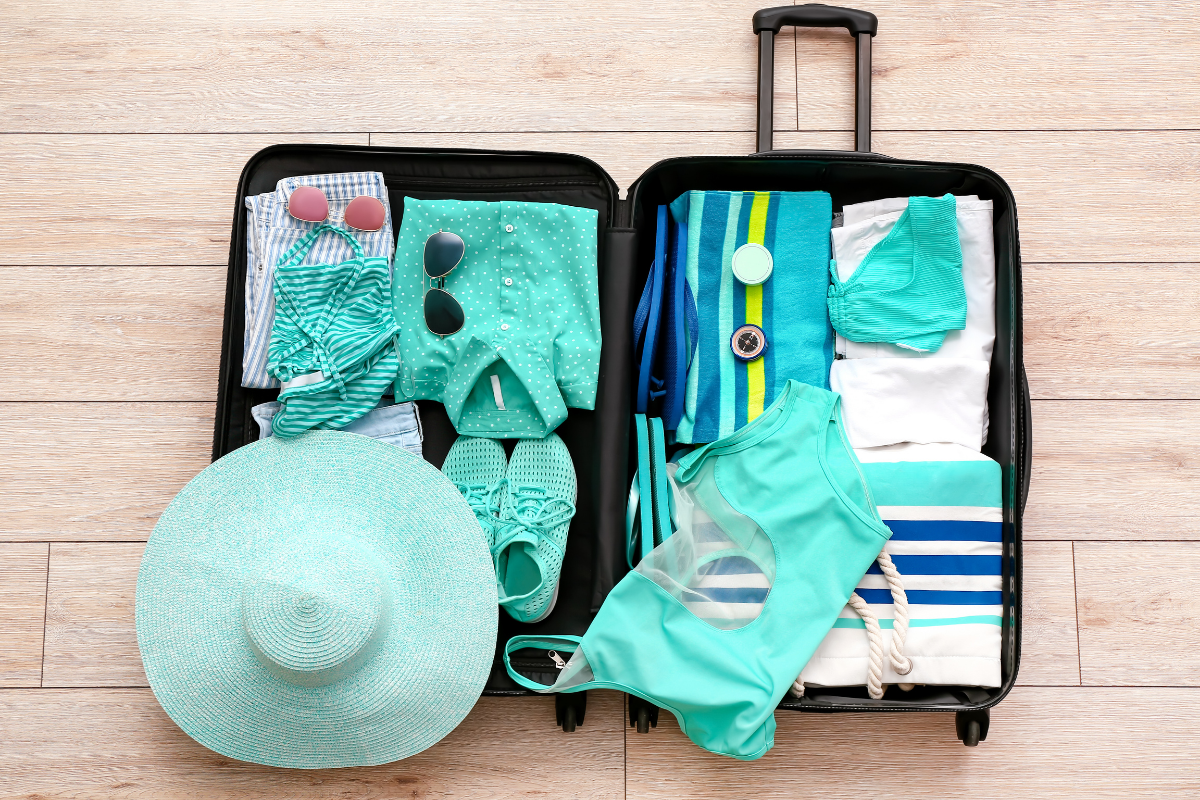
Chances are, if you know you’ll be on a 7-day sailing cruise, you’ll have a rough, if not a whole, idea of how your itinerary looks. Use this as your guide to make sure you have something for each occasion and don’t be afraid to repeat outfits when needed. While you’re on the boat, you’ll live in swimsuits and coverups, which is often what you’ll wear out to an island lunch off the boat. Always plan to pack something a little nicer for dinner (but avoid bulky denim) and don’t overload on shoes - a pair of beach sandals, one dressier pair of sandals (steer clear of heels), or boat shoes, and one pair of sneakers will do the trick!
Check the weather
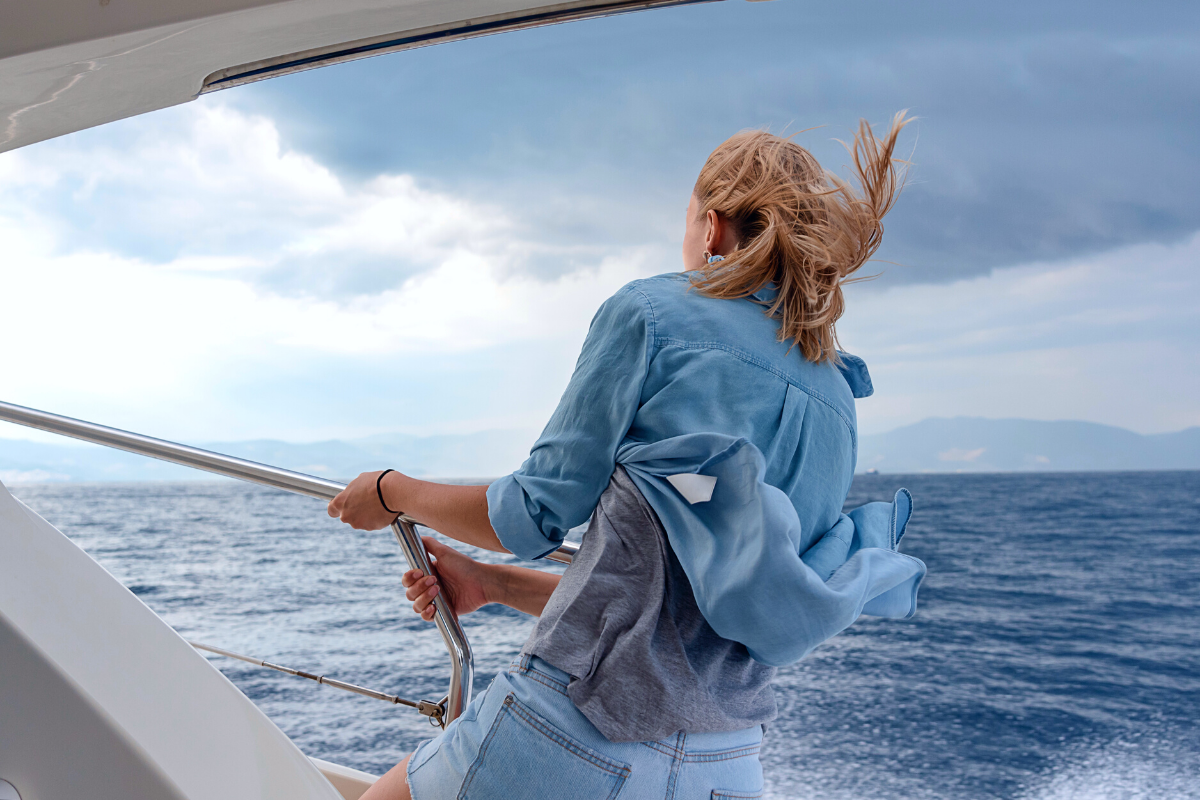
Just because you’re on a dreamy Adriatic getaway doesn’t mean the rain (or wonders of the wind) won’t come out to play. Because forecasts are often unpredictable and tropical storms can surprise out of nowhere, make sure you pack a windbreaker or light jacket just in case. Something that can easily be rolled and tucked away in your luggage is key, as this clothing item should not take precedence over breathable summer wear!
Honor essentials

When packing, always ask yourself - do I really need this? It is essential to ensure you honor the items you’ll be hard-pressed to find at sea, like medical prescriptions, but don’t get carried away with overloading enough shampoo, conditioner, and body wash for the week when you can easily pop into any shop where you dock to pick up some more. And if you aren’t sure what your sailboat will provide or what you won’t be able to find? Chat to your charter agent before assuming the worst. As a popular tourism hub, Croatia may have more to offer than it seems.
Don’t double-dip

If you’re traveling with a group, it’s wise to converse with each other about what you’re bringing so that all of you don’t show up with an endless supply of ibuprofen or the like. Perhaps designate individual group members to be in charge of party items, like a Bluetooth speaker, and others to take care of shareable items (like sunscreen, painkillers, vitamins, or bug spray). You’ll not only save room in your suitcase, but you’ll notice the sailboat stays a bit cleaner without seven different sunscreen bottles littering the deck.
Keep the toys at home
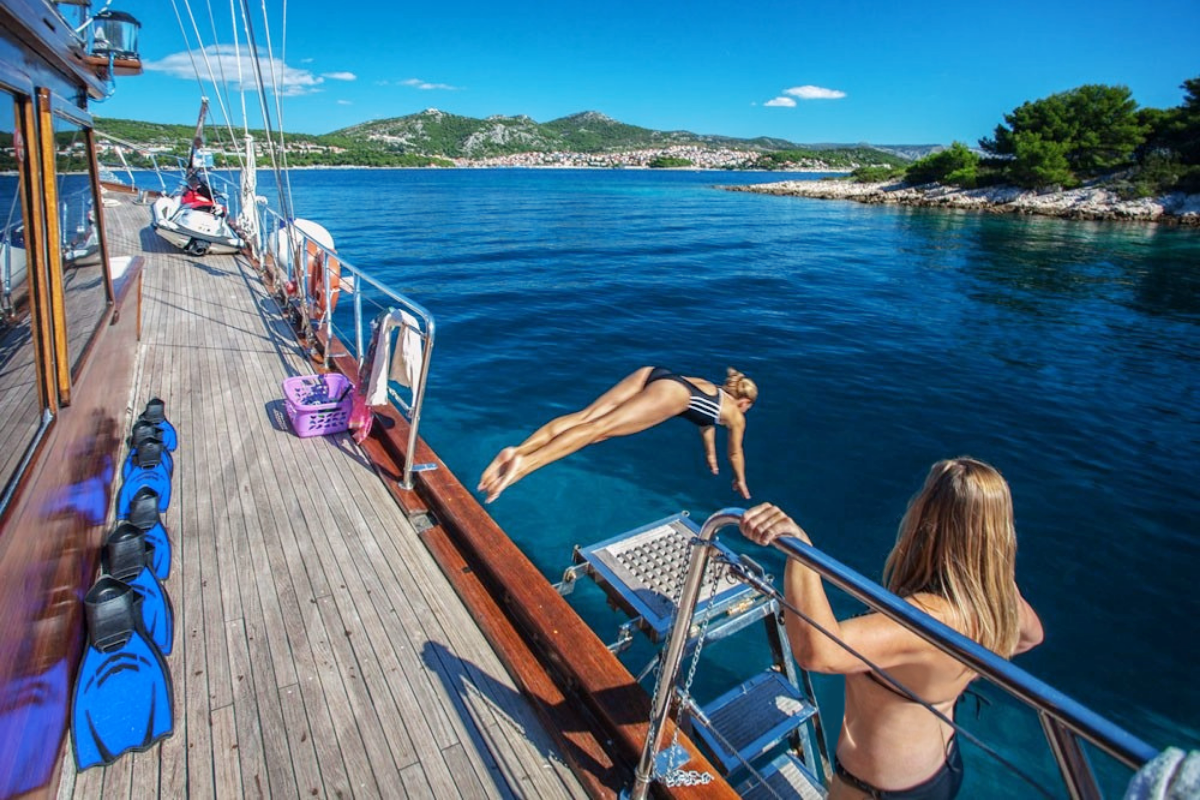
The Adriatic will tempt you with snorkeling and water sports, but there is no need to bring the gear along for the ride. Instead, check in with your charter agent first, as most sailboats are already equipped with goggles and snorkeling gear on board so you can dive in! And if you still want to have fun on board? Opt for a small deck of playing cards to keep the party going!
Say no to bulky suitcases

And perhaps the best reason you should pack light? Your big and bulky suitcase will likely take up a good amount of space in your already compact sailing quarters. So save the bruised knees from banging into hard suitcase shells and opt for a soft duffle bag instead. Not only is this far easier to cram into your sailboat closet, but it allows you to think smarter (and lighter) when packing.
Less is more on your Adriatic sailing holiday, and we promise you’ll be happy to have packed strategically rather than cautiously. And remember, if you forget something back home, Croatia’s shops likely have you covered!
charter-advice
charter-advice
charter-advice
charter-advice
charter-advice
Your Questions Answered
FAQs
-
Timing is one of the most important factors when planning a yacht charter. Different periods of the year offer very different experiences, even in the same destination. Summer months tend to be busier, with more activity in ports and popular anchorages, while spring and autumn often feel quieter and more relaxed. Weather, sea conditions, and local events can all influence your time on board. If you have flexibility with your dates, we strongly recommend sharing that with us. It allows us to suggest alternative weeks, for you to discover more private harbors and sometimes secure better options within your budget.Click for more information
-
Chartering a yacht gives you freedom, privacy, and the chance to explore coastal destinations at your own pace. You can enjoy hidden bays, local culture, and unique activities that aren’t accessible by traditional travel. With a private crew handling all the details, you can focus on relaxing, swimming, trying water sports, and discovering new towns and beaches every day. Yacht charters are ideal for families, groups of friends, or couples seeking a tailored experience on the water.
-
Most yacht charters offer flexible itineraries. While there’s usually a suggested route, you can adjust it based on weather, local events, or your own preferences. Whether you want to spend extra time at a favorite beach, visit a charming town, or explore a quiet cove, your crew can help adapt the plan to make your trip just right.
-
Otium Yachts provides expert guidance, a selection of carefully maintained vessels, and professional crews who know the Adriatic coast inside out. From planning your itinerary to organizing activities and ensuring smooth sailing, Otium Yachts makes yacht charters easy, enjoyable, and reliable. Guests appreciate the personal attention, detailed local knowledge, and thoughtful service that make every charter feel special.
-
The cost of a yacht charter varies depending on the size of the yacht, the season, the number of guests, and the itinerary. Early summer and peak season tend to be higher, while shoulder months may offer more competitive rates. Longer charters or special requests, such as additional activities or private events, can also affect the price. Booking early and working with an experienced broker can help you find the best options for your budget.Click for more information
-
The charter fee generally covers accommodation for all guests, the crew and their expenses, Wi-Fi, use of onboard recreational equipment. Exact inclusions may vary from yacht to yacht, and when you receive a quote, you will be provided with a detailed breakdown of what is included and what is not.
-
APA stands for Advance Provisioning Allowance. It’s a deposit, usually around 25-30% of the charter fee, that covers variable expenses during the charter. This includes fuel for the yacht and tender, food and drinks, port and marina fees, national park entrances, water sports, and any extra services requested by the guests. Before the charter begins, the APA is paid upfront, and the captain or crew manages these costs throughout the trip. Any unused funds are refunded at the end, while any extra expenses beyond the allowance are billed separately. This system ensures your charter runs smoothly without surprises and gives guests flexibility to enjoy the full experience on board.Click for more information
-
An all-inclusive yacht charter means that, in addition to the yacht and crew, most meals, drinks, and onboard amenities are included in the price. This can cover food, beverages, water toys, Wi-Fi, and some activities, allowing guests to enjoy the trip without worrying about extra costs during the charter. Always check the offer details, as inclusions can vary by yacht and operator.
-
The base charter fee usually does not include items such as port or marina fees, national park entrances, shore excursions, special activities like scuba diving or big game fishing, transfers, or APA (Advance Provisioning Allowance) for fuel, food, and drinks. Guests may also have charges for extra navigation, special equipment, or additional services requested during the trip.
-
To secure your booking with Otium Yachts, the first step is signing the charter agreement and paying the initial deposit. The first instalment, which is 50% of the charter fee, is due at the time of signing. The second instalment, covering the remaining balance along with any selected food and beverage packages, is due 45 days before the charter begins. This process ensures your booking is confirmed and gives our team time to prepare everything for a smooth board experience.
-
When booking a yacht, it’s important to know that there are two common types of charter agreements in the Mediterranean: Western Mediterranean Terms (WMT), also known as MYBA Terms, and Eastern Mediterranean Terms (EMT), also known as Gulet Terms. It can seem a bit confusing at first, but here’s a simple breakdown: the type of contract used depends on the yacht owner, who chooses the terms that best suit their vessel and guests. Both options are standard in the industry and provide clear guidelines for what’s included in the charter fee, what costs are extra, and how the trip is managed.Click for more information
-
Yacht charters are governed by industry-standard agreements, such as the MYBA Charter Agreement, which clearly defines cancellation policies. One of the most important clauses in this contract is Clause 11, which outlines the financial consequences of canceling a charter.Click for more information
-
Planning a luxury yacht charter is an exciting experience, full of anticipation. Many guests book their charters months or even a year in advance, hoping everything will go smoothly when the time arrives. But life can be unpredictable, and unexpected events may force you to cancel or postpone your trip. This is where yacht charter insurance plays a vital role, protecting your investment and ensuring your dream getaway remains secure, no matter what challenges arise.Click for more information
-
VAT varies by country because each country sets its own VAT rates and tax rules. Although EU countries follow a common VAT framework, the actual rates and specific conditions differ from one jurisdiction to another. Outside the EU, VAT or similar taxes may not apply at all, or different tax systems may be in place.
-
Pack light and focus on casual, comfortable clothing. Essentials include swimwear, sunglasses, sunscreen, a hat, and non-slip deck shoes. Evenings are usually relaxed, so a few smart-casual outfits are sufficient. Don’t forget personal toiletries, medications, and travel documents. Soft luggage is recommended, as storage space on board is limited.Click for more information
-
A typical day on a yacht is flexible and tailored to your preferences. Mornings often start with breakfast at anchor, followed by swimming or water activities. During the day, the yacht may cruise to a new destination, with lunch on board or ashore. Afternoons are perfect for relaxation, sightseeing, or exploring coastal towns, while evenings are usually spent dining on board or at a local restaurant.Click for more information
-
Yes, itineraries are flexible and can usually be adjusted during the charter, weather and operational conditions permitting. Your captain will advise on the best options to ensure safety and comfort while accommodating your preferences as much as possible.
-
Absolutely. Yacht charters are ideal for first-time guests, as the professional crew takes care of navigation, safety, and daily operations. The experience is fully guided and can be as relaxed or as active as you wish, making it suitable for all levels of experience.
-
Destinations with calm seas, short cruising distances, and well-developed marina infrastructure are ideal for first-time charterers. Popular choices include the Mediterranean, such as Croatia, Greece, Italy and the French Riviera, as well as the Caribbean. These regions offer a wide variety of anchorages, beautiful scenery, and reliable services, making the experience smooth and enjoyable.Click for more information
-
For a one-week charter, routes with short sailing times between destinations work best. This allows guests to enjoy a relaxed pace while still visiting several locations. Circular routes or island-hopping itineraries are especially popular, as they minimize long passages and maximize time for swimming, sightseeing, and dining ashore. Popular itineraries include Split, Hvar, Vis, Kor?ula, and Bra?, or Dubrovnik and the nearby Elaphiti Islands. These routes offer a great balance of exploration, relaxation, and time to enjoy each destination.
-
A round-trip charter starts and ends at the same port, offering a simple and flexible itinerary. A one-way charter begins in one location and ends in another, allowing you to cover more distance and explore a wider area. One-way charters often involve additional fees for yacht repositioning but provide greater variety in destinations.
-
Living onboard a crewed yacht is relaxed and comfortable, much like staying in a floating boutique hotel. The crew takes care of everything, from navigation and safety to meals and daily details, so you can fully unwind. Your days are shaped around your preferences, whether that means exploring new destinations, enjoying the sea, or simply relaxing on deck.
-
A yacht charter offers a very high level of privacy. The yacht is exclusively yours, and the crew is trained to be discreet and respectful at all times. While they are always available when needed, they give guests plenty of space to enjoy their time onboard without interruption.
-
Yes, dietary requirements can usually be accommodated. Before the charter, guests are asked to share any preferences, allergies, or special diets. The chef will tailor the menu accordingly, whether it’s vegetarian, vegan, gluten-free, or based on specific preferences. A Guest’s preference sheet is a simple tool we use to ensure your yacht charter is tailored to your group’s needs and desires.Click for more information
-
Most crewed yachts come equipped with a selection of water toys and amenities, such as snorkeling gear, paddleboards, seabobs, or jet skis, depending on the yacht. Onboard amenities often include spacious lounging areas, air-conditioned cabins, Wi-Fi, and entertainment systems. The exact selection varies by yacht and will be confirmed before your charter.Click for more information
-
Yes, crewed yachts come with a professional and experienced crew. Depending on the size of the yacht, this may include a captain, chef, and additional crew members. They are there to ensure your safety, comfort, and overall enjoyment throughout the charter.Click for more information
-
The captain is responsible for navigating the yacht safely, planning the route, and adjusting the itinerary when needed due to weather or sea conditions. They also act as a local expert, offering recommendations for anchorages, beaches, and restaurants, while making sure your charter runs smoothly.Click for more information
-
Crew gratuity is customary but always at the guest’s discretion. If you feel the crew has delivered excellent service, tipping is a nice way to show appreciation. The usual guideline is around 10-15% of the charter fee, though any amount is entirely optional.
-
Embarkation typically takes place in the afternoon on the first day of the charter, while disembarkation is usually in the morning on the final day. Exact times can vary depending on the yacht and marina, and will be confirmed before your departure.
-
Airport transfers are not always included by default, but they can usually be arranged upon request. Your charter broker or crew can help organize smooth transfers to and from the yacht for an additional fee.
-
All our yachts come with Wi-Fi onboard, so you can stay connected while enjoying your charter. Coverage is generally good near the coast, though it may be limited in more remote areas or while cruising, depending on local signal strength.
-
In case of bad weather, the captain will always prioritize safety. The itinerary may be adjusted, or the yacht may remain in a sheltered bay or marina until conditions improve. These changes are made to ensure a comfortable and enjoyable experience whenever possible.